
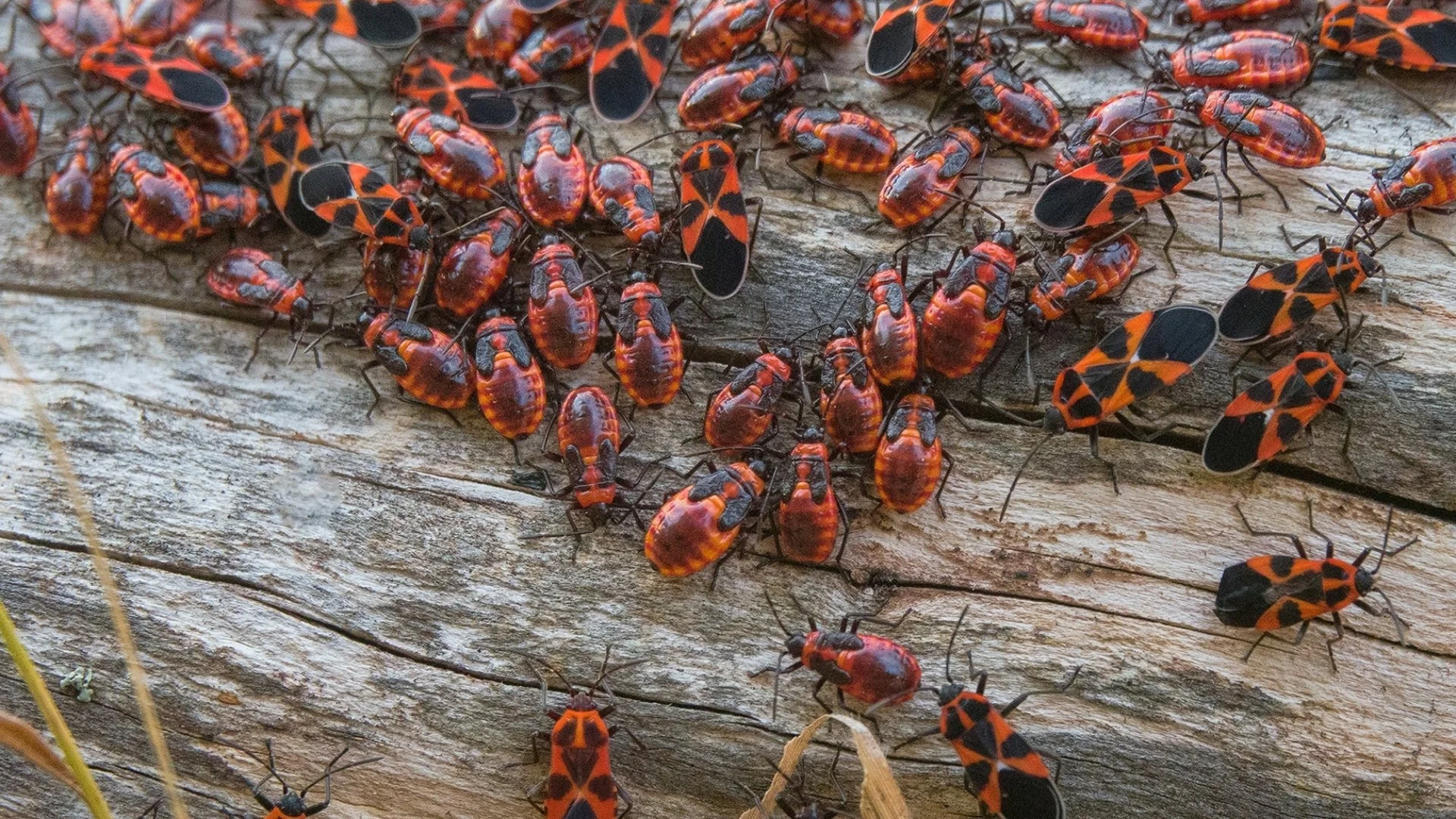
Chinch bugs are tiny insects that can cause significant damage to your lawn in Texas if left unchecked. These pests feed on the sap of grass blades, causing them to dry out and die. As they feed, they inject a toxin into the grass that can cause it to turn yellow or brown. Chinch bugs are most active during the summer months, when temperatures are warm and dry. If you suspect that your lawn is infested with chinch bugs, it's important to take action right away. Curative treatments can help eliminate the pests, and lawn care services can help nurse your grass back to health.
What are chinch bugs, and what damage do they cause?
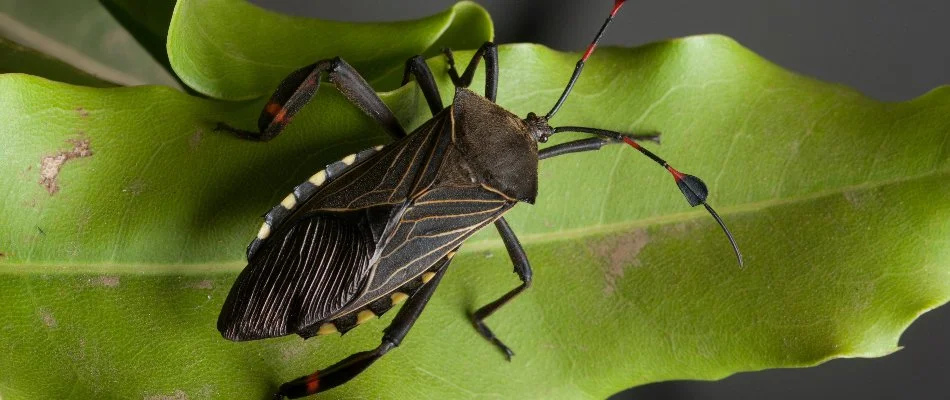
Chinch bugs are small insects, typically black with distinctive white wings crossed over their backs, giving them a noticeable appearance. They possess piercing mouthparts used to extract sap from grass blades. The life cycle of chinch bugs includes egg, nymph, and adult stages. The nymphs, which are wingless and bright red with a white band across their backs, go through several molts, gradually turning darker as they mature. This transition makes them a persistent presence in lawns during their feeding periods.
The damage inflicted by chinch bugs stems from their feeding process. As they extract sap, they inject a toxin into the grass, disrupting its ability to absorb water effectively. This causes the grass to turn yellow, progressing to brown and eventually dying in affected areas. The damage is often mistaken for drought stress since chinch bugs prefer already stressed or weakened grass. If not promptly addressed, their feeding can lead to extensive and severe damage, resulting in large patches of dead grass and significantly affecting the lawn's overall health and appearance.
When do chinch bugs become most active?
Chinch bugs are most active during the summer months, when temperatures are warm and dry. In most areas, chinch bug activity peaks in late June or early July and continues through August. During this time, chinch bugs can cause significant damage to your lawn if left unchecked. It's important to keep an eye out for signs of chinch bug activity, such as yellow or brown patches of grass, and take action right away if you suspect an infestation.
What should you do if you suspect a chinch bug infestation?
If a chinch bug infestation is suspected on your lawn, immediate action is crucial. The first step involves scheduling a curative treatment to eradicate the pests. Professional lawn care experts can accurately identify and treat chinch bug infestations using safe and effective methods. These treatments not only eliminate the pests but also prevent further damage, protecting the lawn’s health.
Beyond curative treatments, additional lawn care services may be necessary to restore the lawn’s vitality. Chinch bug damage can result in large patches of dead grass. A customized lawn care plan can aid recovery, incorporating services such as fertilization and aeration. Fertilization replenishes essential nutrients while aeration improves soil structure and root development, promoting a lush and healthy lawn once more.
Call Us Today to Schedule Our Chinch Bug Control Service
Chinch bugs can cause significant damage to your lawn if left unchecked, but our team of experts at Dr. Tex Lawn & Pest can help you eliminate these pests and restore your lawn to its full beauty. We offer a chinch bug control service that utilizes a highly effective curative treatment that will not only eliminate the pests but also stop their breeding cycle to prevent further spread! This service is available to commercial and residential properties, as well as HOAs, in Austin, Round Rock, Cedar Park, Pflugerville, TX, and neighboring communities. Call us at (512) 717-5071 to schedule!

Comments (0)
Thanks for your comment!
Thanks for your feedback! Your comments have been successfully submitted! Please note, all comments require admin approval prior to display.
Error submitting comment!
There is a problem with your comment, please see below and try again.