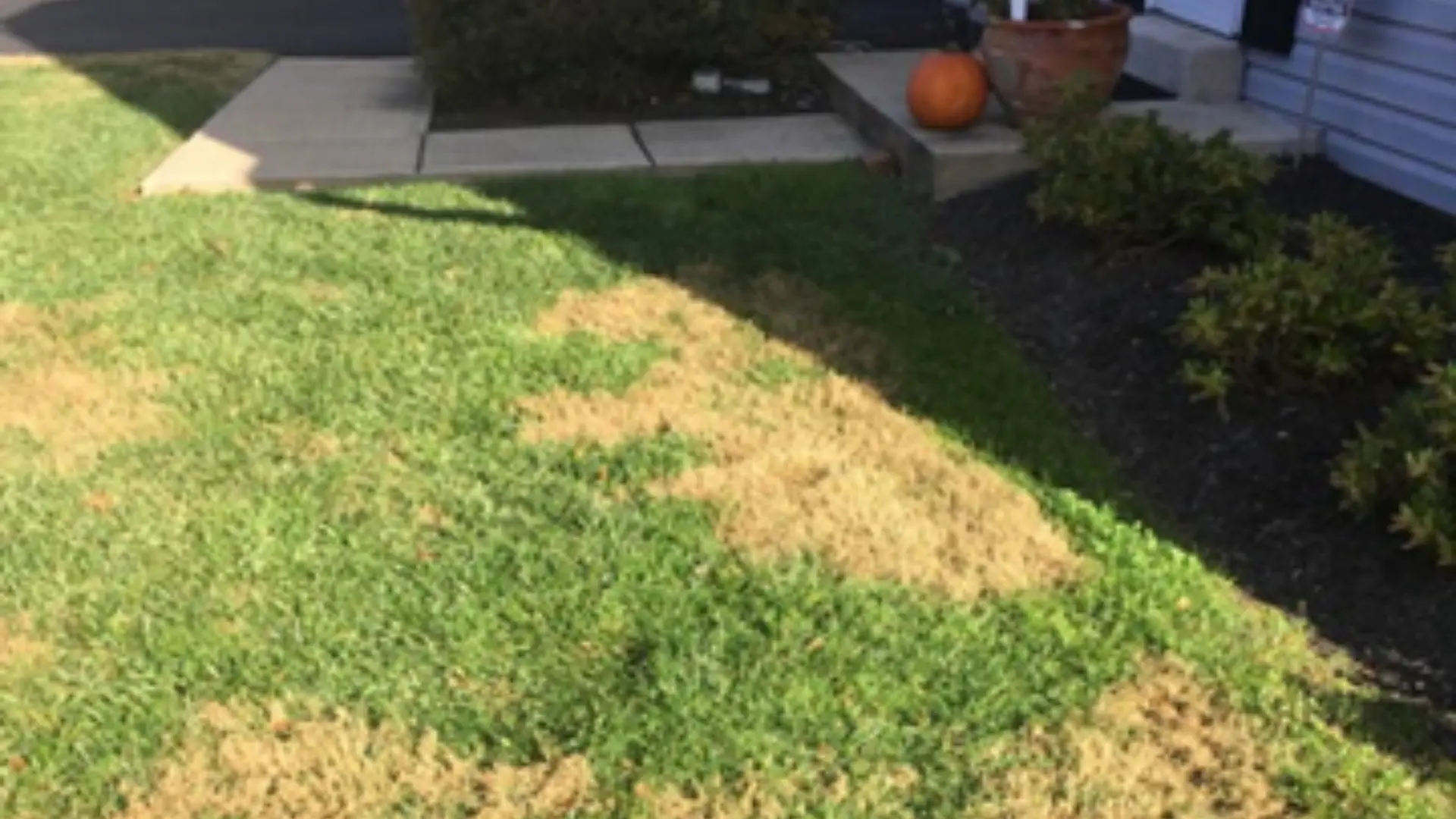
Maintaining a healthy lawn in Texas requires taking proactive steps to avoid lawn diseases. Proper watering techniques are crucial, so water your lawn in the early morning to allow it to dry before evening, reducing the risk of fungal growth. Regularly monitor your irrigation system to ensure it provides adequate water without over- or underwatering. Implementing proper lawn care practices, such as mowing at the correct height, keeping mower blades sharp, and avoiding mowing when the lawn is wet, can also help prevent diseases. Additionally, regular fertilization with balanced nutrients and proper aeration can improve soil health and reduce conditions conducive to lawn diseases. Lastly, keep a close eye on your lawn and promptly address any signs of disease by contacting professionals and investing in curative treatments to mitigate damage and keep your lawn healthy and vibrant.
Follow proper watering techniques to help avoid lawn diseases.
One of the most important steps you can take to avoid lawn diseases is to follow proper watering techniques. Watering your lawn in the early morning is ideal because it allows the grass to dry before evening, reducing the risk of fungal growth. It's also important to monitor your irrigation system to ensure it's providing enough water without over- or underwatering. Repairing any issues promptly can help your lawn receive adequate water and reduce the possibility of diseases.
Implement proper lawn care practices to avoid lawn diseases.
In addition to proper watering techniques, implementing proper lawn care practices can also help prevent lawn diseases. When it comes to lawn mowing, it's important to mow at the correct height, keep mower blades sharp to avoid tearing the grass, and avoid mowing when the lawn is wet. These practices can help prevent stress on your lawn and reduce the risk of disease.
Lawn fertilization is another important aspect of lawn care. Providing regular fertilizer treatments with balanced nutrients can help keep your lawn healthy and strong. However, it's important to avoid overfertilizing, as this can lead to excessive growth and increase the risk of disease.
Aeration is another important lawn care practice that can help prevent lawn diseases. Regularly aerating your lawn can improve soil drainage and air circulation, reducing conducive conditions to lawn diseases. Aeration involves removing small plugs of soil from your lawn, which allows air, water, and nutrients to penetrate the soil more easily.
Keep an eye on your lawn and address any signs of disease promptly.
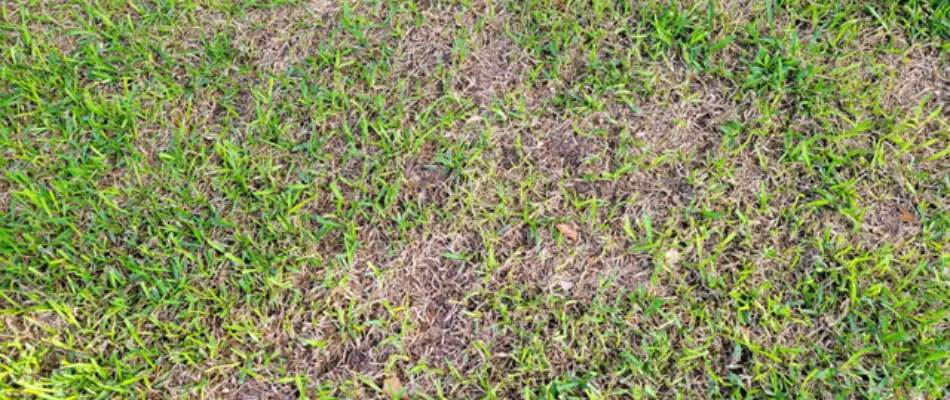
Even with proper watering techniques and lawn care practices, it's still possible for your lawn to develop a disease. That's why it's important to keep an eye on your lawn and address any signs of disease promptly. If you suspect a disease has developed on your lawn, you'll want to contact professionals as soon as possible and invest in curative treatments to eliminate it. By addressing the issue promptly, you can mitigate the damage your turf sustains and help it recover more quickly.
Call us today to schedule our lawn disease control service!
At Dr. Tex Lawn & Pest, we can help keep your lawn free of diseases via our lawn disease control service. Preventative treatments are available to help prevent diseases from developing, and curative treatments can be scheduled to eliminate existing fungal infections like take-all patch, gray leaf spot, and more.
We offer our lawn disease control service to property owners in Austin, TX, and surrounding areas like Round Rock, Cedar Park, and Pflugerville. Give us a call today at (512) 717-5071 to schedule our lawn disease control service and help your grass reach its full potential!

Comments (0)
Thanks for your comment!
Thanks for your feedback! Your comments have been successfully submitted! Please note, all comments require admin approval prior to display.
Error submitting comment!
There is a problem with your comment, please see below and try again.