Dog urine can negatively impact your lawn in Texas, but understanding how to manage it can help maintain a healthy yard. The high nitrogen content in dog urine can lead to unsightly brown patches, damaging the grass. To repair these spots, flush with water, remove dead grass, add topsoil, and overseed to promote new growth. Preventive measures include keeping your dog hydrated, designating a specific area for urination, and maintaining regular lawn care practices to ensure resilience against occasional exposure.
Dog Urine Can Kill Your Grass
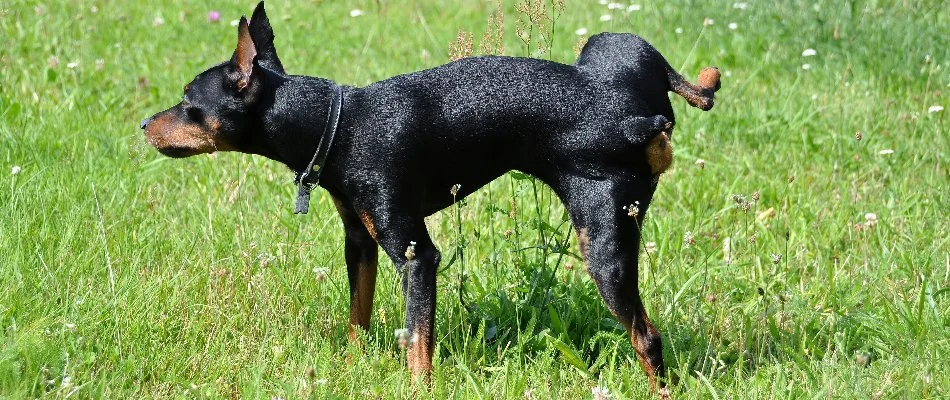
Dog urine can kill your grass primarily due to its high nitrogen content. Nitrogen is a key component of fertilizers and is beneficial in moderation. However, when concentrated, as in dog urine, it can overwhelm your lawn, leading to brown or yellow patches. This is often referred to as "lawn burn." The urea in urine, coupled with alkaline salts, can alter the pH of the soil, further stressing the grass and making it difficult for it to recover. The damage is most noticeable in areas where your dog frequently urinates, creating unsightly patches that disrupt the uniformity of your lawn.
How to Fix Spots on Your Lawn That Were Damaged By Dog Urine
If your lawn has already suffered from dog urine damage, taking prompt action can help restore its health. The first step is to immediately flush the affected area with plenty of water. This helps dilute the concentration of nitrogen and salts in the urine, minimizing the damage to the grass and reducing the risk of "lawn burn."
Once the area is thoroughly flushed, rake away any dead grass to clear the way for new growth. Removing these dead patches prevents them from inhibiting the recovery process. After clearing the area, add a layer of fresh topsoil. This provides a nutrient-rich foundation that supports the regrowth of healthy grass.
Next, overseed the spot with grass seed. Choose a seed that matches your existing lawn for a seamless look. Overseeding encourages new grass to grow and helps fill in the bare patch, restoring the uniformity of your lawn. During this recovery phase, regular watering is crucial. Keep the soil consistently moist to ensure the new grass establishes itself successfully.
How to Avoid Lawn Damage From Dog Urine
Preventing dog urine damage to your lawn is often more effective than trying to repair it afterward. By taking proactive steps, you can maintain a lush, green yard while accommodating your furry friend. Here are some strategies to minimize the impact of dog urine on your grass:
- Keep Your Dog Hydrated: Ensure your dog drinks plenty of water. Well-hydrated dogs produce more diluted urine, which is less harmful to your lawn.
- Designate a Spot: Train your dog to urinate in a specific area, such as one with rocks or gravel. This keeps the main lawn area protected from damage.
- Proper Lawn Care: Maintain regular lawn care practices, such as watering and fertilizing your lawn to keep it healthy and resilient. A strong, well-cared-for lawn can better withstand stressors, including occasional urine exposure.
Strengthen your grass with our lawn fertilization service. Call us today to sign up!
Dog urine can negatively impact your lawn, but you can help take measures to ensure it is strong enough to avoid damage. At Dr. Tex Lawn & Pest, we offer a lawn fertilization service to help bolster its health! We use both granular and liquid fertilizer treatments packed with vital nutrients to help your grass grow strong and develop robust roots. These treatments are applied regularly from early winter to late fall, so you can rest assured your lawn stays nourished throughout the year.
We offer lawn fertilization to homeowners and business owners, as well as HOAs, in Austin, Round Rock, Cedar Park, Pflugerville, TX, and neighboring areas. Call us today at (512) 717-5071 to sign up for this service!

Comments (0)
Thanks for your comment!
Thanks for your feedback! Your comments have been successfully submitted! Please note, all comments require admin approval prior to display.
Error submitting comment!
There is a problem with your comment, please see below and try again.