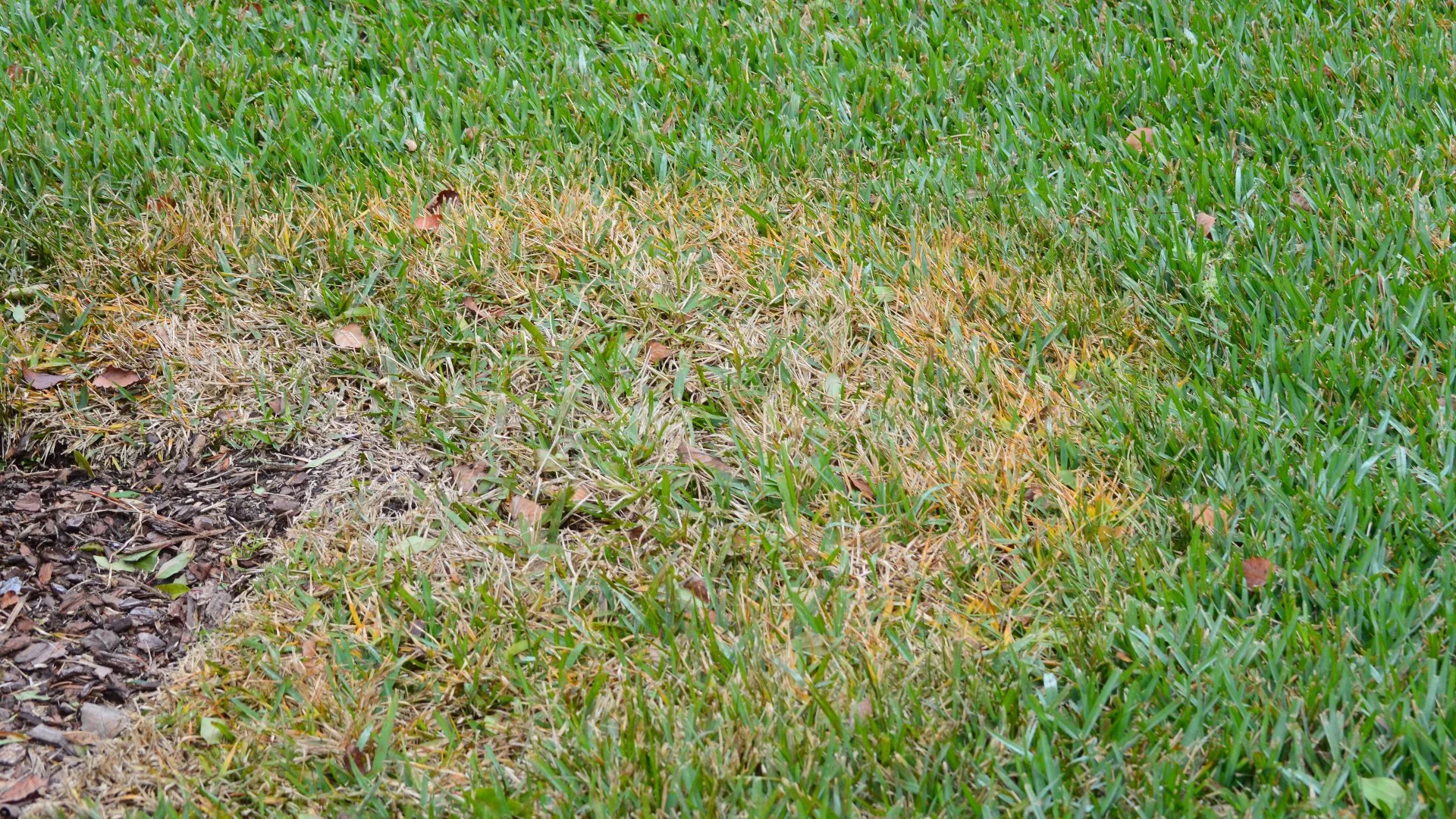
Yellow grass is a common problem that many homeowners face, especially during the hot summer months. The discoloration can result from improper watering, where both overwatering and underwatering lead to stress. Heat stress during the hot months in Texas causes grass to go dormant, turning yellow as a survival mechanism. Nutrient deficiencies, particularly nitrogen, can lead to pale grass, requiring soil testing and proper fertilization. Lawn insects and diseases, like grubs and fungal infections, also contribute to yellow patches, necessitating regular inspections and targeted treatments.
Improper watering is a common culprit in yellow lawns.
Watering is a fundamental aspect of lawn care, but both overwatering and underwatering can lead to yellow grass. Overwatering can suffocate the roots by depriving them of oxygen, leading to root rot and yellowing. On the other hand, underwatering can cause grass to dry out and turn yellow due to a lack of moisture. It’s essential to strike a balance by providing your lawn with about one inch of water per week, including rainfall. Watering deeply but infrequently encourages deep root growth, making your lawn more resilient to drought and stress.
Heat Stress Can Turn Your Grass Yellow
During hot summer months, heat stress can cause grass to yellow as it struggles to cope with high temperatures and intense sunlight. Grass can become dormant in extreme conditions, turning yellow or brown as a survival mechanism. To mitigate heat stress, ensure your lawn is well-hydrated and avoid mowing during the hottest parts of the day. Raising your mower blade can also help, as longer grass blades provide shade to the soil and reduce water loss from evaporation. Additionally, consider using a mulching mower to return clippings to the lawn, which can help retain moisture and provide nutrients.
Nutrient Deficiencies Can Cause Yellow Grass
Nutrient deficiencies, particularly nitrogen, are a common culprit behind yellowing grass. Nitrogen is crucial for chlorophyll production, which gives grass its vibrant green color. A lack of nitrogen can lead to pale or yellow grass blades, stunted growth, and increased susceptibility to stress. Conducting a soil test is essential to accurately diagnose nutrient deficiencies and tailor your fertilization plan. By applying a balanced fertilizer based on the test results, you can replenish missing nutrients and promote healthy growth. It’s crucial to follow the recommended application rates and schedule to avoid over-fertilization, which can damage the lawn and the environment.
Your grass may turn yellow because of lawn insects and diseases.
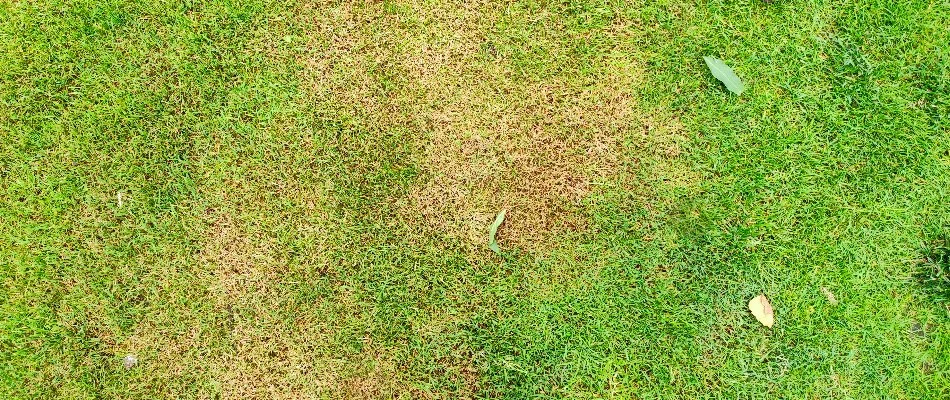
Lawn insects and diseases can wreak havoc on your grass, leading to unsightly yellow patches. Pests like grubs, chinch bugs, and armyworms are notorious for damaging lawns. Grubs feed on the roots of your grass, causing ot to yellow and die, while chinch bugs suck the sap from grass blades, leading to wilting and discoloration. Armyworms can also cause extreme damage in such a short period because they move in large groups, feeding on grass blades.
Fungal diseases such as brown patch, take-all patch, and gray leaf spot can also cause yellow spots and patches. These issues often thrive in stressed lawns, so maintaining overall lawn health is crucial. Regular inspections can help you identify early signs of pests and diseases, allowing for timely intervention. If infestations occur, targeted treatments with appropriate insecticides or fungicides can effectively address the problem.
Call us today to sign up for our lawn fertilization service!
If your lawn is becoming discolored and struggling to thrive, we can help. Here at Dr. Tex Lawn & Pest, we offer a lawn fertilization service to ensure your grass receives vital nutrients that promote healthy, green growth. When you sign up for this service, our professionals will visit your property regularly throughout the year to ensure your grass is properly nourished! We proudly serve homeowners and business owners, as well as HOAs, in and around Austin, Round Rock, Cedar Park, and Pflugerville, TX. Call us at (512) 717-5071 to sign up and help your grass reach its full potential.

Comments (0)
Thanks for your comment!
Thanks for your feedback! Your comments have been successfully submitted! Please note, all comments require admin approval prior to display.
Error submitting comment!
There is a problem with your comment, please see below and try again.