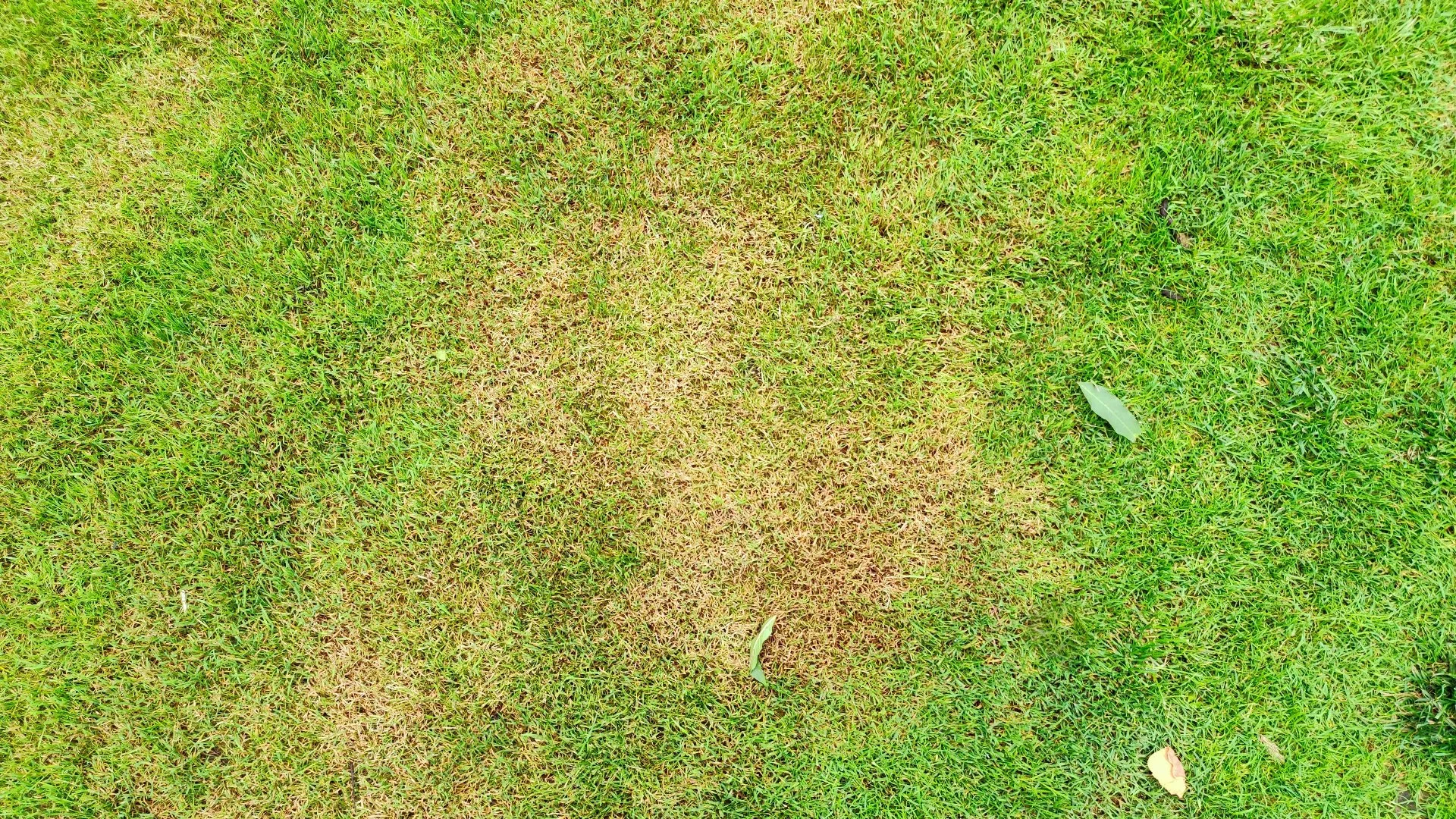
Soil compaction occurs when soil particles are tightly packed together, hindering the movement of air, water, and nutrients. It is often caused by heavy machinery, foot traffic, working with wet soil, the composition of your soil, or a lack of organic matter. Compacted soil is bad for your lawn in Texas because it keeps the roots of your grass from accessing nutrients and other vital resources. It can also cause drainage issues and create an ideal environment that fosters lawn diseases. To address soil compaction, aerate your lawn to loosen up tightly packed soil and allow nutrients and resources to penetrate the root zone more effectively.
What does soil compaction mean, and what causes it?
Compacted soil occurs when soil particles are tightly packed together, reducing the space between them and making the soil less porous. This lack of porosity hinders the movement of air, water, and nutrients through the soil, creating an environment where grass struggles to thrive. Understanding what causes soil compaction is the first step in preventing and addressing this problem.
Several factors contribute to soil compaction. Heavy machinery and foot traffic are primary culprits. Frequent walking or driving over the same areas of your lawn can press the soil particles closer together, especially when the soil is wet. Working with wet soil, such as digging, walking, or tilling, can exacerbate compaction, as wet soil particles are more likely to stick together. The composition of your soil also plays a role; clay soils, known for their fine particles, are more prone to compaction than sandy soils. Additionally, a lack of organic matter can lead to compaction, as organic material helps maintain soil structure and porosity.
Why is soil compaction bad for your lawn?
Soil compaction is detrimental to your lawn for several reasons. When soil is compacted, the reduced pore space limits the movement of essential elements like air and water. Roots require oxygen to grow and absorb nutrients effectively, and compacted soil can suffocate them. This leads to weak, shallow root systems that are unable to support healthy grass growth. Furthermore, compacted soil impedes water infiltration, causing runoff and increasing the risk of erosion. The lack of water penetration can lead to drought stress, making your lawn more susceptible to disease and pest infestations.
Another issue with compacted soil is that it creates an unfavorable environment for beneficial microorganisms. These microorganisms are essential for breaking down organic matter and recycling nutrients back into the soil. Without them, the nutrient cycle is disrupted, leading to nutrient deficiencies that further weaken your lawn. Overall, soil compaction results in a stressed lawn that struggles to compete with weeds and withstand environmental pressures.
What should you do to address soil compaction?
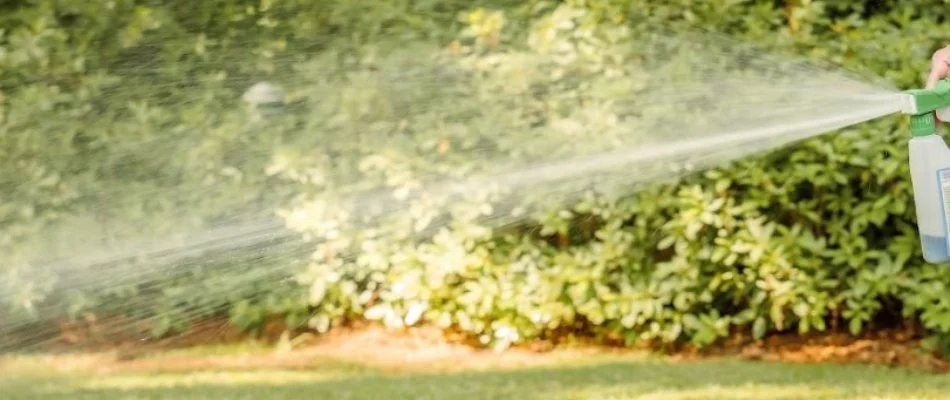
Addressing soil compaction is crucial for restoring your lawn's health. One effective solution is scheduling an aeration service. Aeration involves loosening up compacted soil to allow air, water, and nutrients to penetrate the root zone. This process helps promote deeper root growth, which enhances the lawn's resilience and overall health. One way to aerate your lawn is through liquid aeration. It involves applying a soil conditioner that breaks down compacted soil layers, enhancing the soil's structure by increasing its porosity.
Liquid aeration is less invasive than mechanical aeration and can be applied more frequently without disturbing the lawn's surface. Additionally, it can cover areas that are difficult for mechanical aerators to reach, ensuring comprehensive treatment. By improving soil structure and promoting deeper root growth, liquid aeration enhances the lawn's resilience and overall health.
Give us a call today to sign up for our liquid aeration service!
If you want to address compaction on your lawn, our liquid aeration service is what you need. This service involves applying a liquid treatment that will create tiny pores in the soil, breaking up densely packed soil to allow the roots to get better access to vital resources. We recommend scheduling this service in the spring and fall to ensure effective results! This service is available to commercial and residential property owners, as well as HOAs, in Austin, Round Rock, Cedar Park, Pflugerville, TX, and neighboring communities. Call us today at (512) 717-5071 to sign up!

Comments (0)
Thanks for your comment!
Thanks for your feedback! Your comments have been successfully submitted! Please note, all comments require admin approval prior to display.
Error submitting comment!
There is a problem with your comment, please see below and try again.