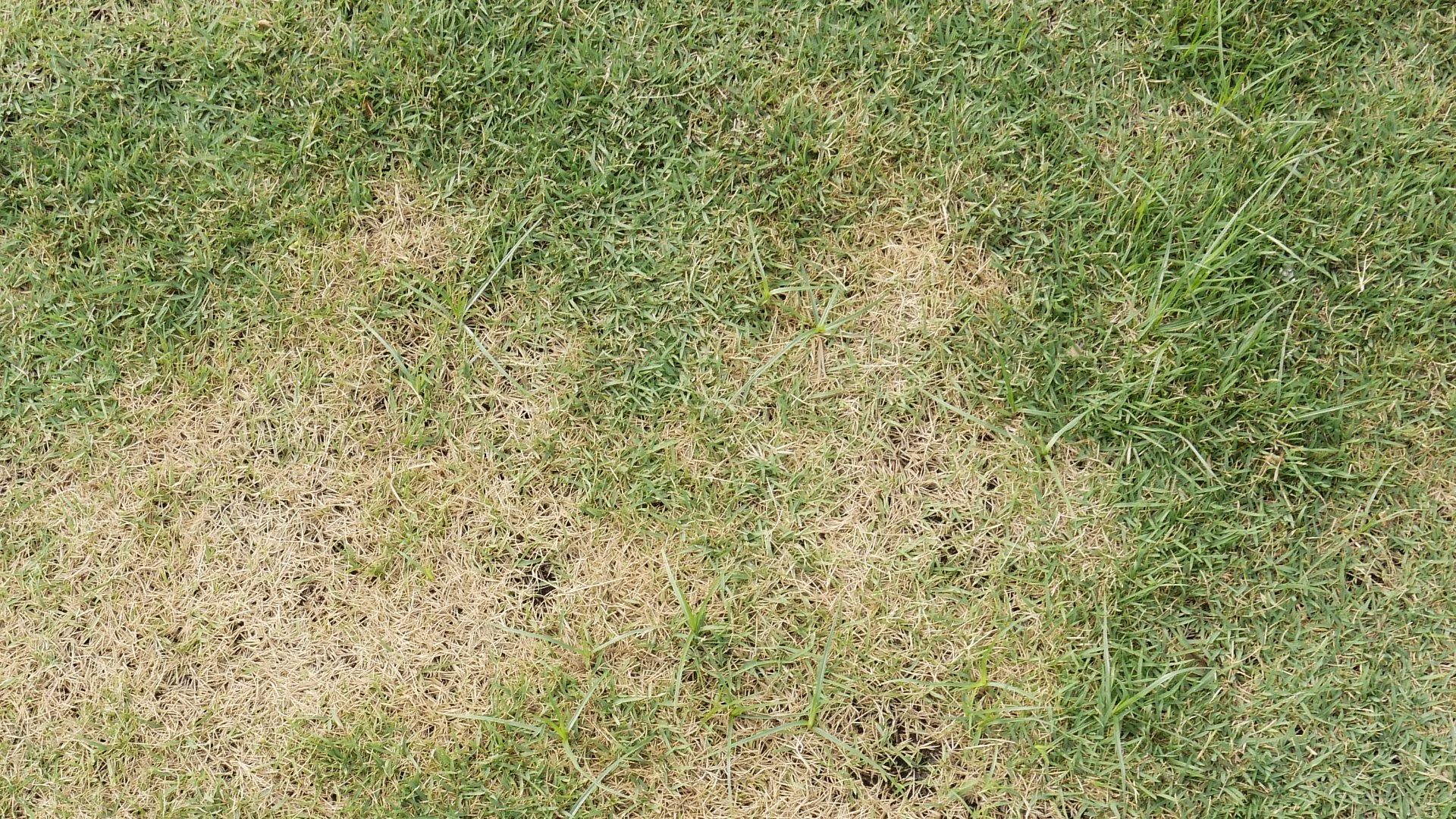
Take-all patch, caused by a fungus, targets St. Augustine grass and bermudagrass in Texas, causing significant turf damage by attacking the roots. It appears as small, discolored patches, expanding and disrupting nutrient absorption. The disease thrives in warm, humid conditions, high pH soils, poor drainage, and excessive thatch, particularly during periods of rapid grass growth. Early detection is crucial when it comes to this disease. As soon as you see signs of an infection, contact lawn care professionals for treatment and fungicide applications. After dealing with the disease, invest in lawn care services like fertilization to restore nutrients and liquid aeration to improve soil structure, promoting recovery and strengthening the turf.
What is take-all patch, and what kind of damage does it cause?
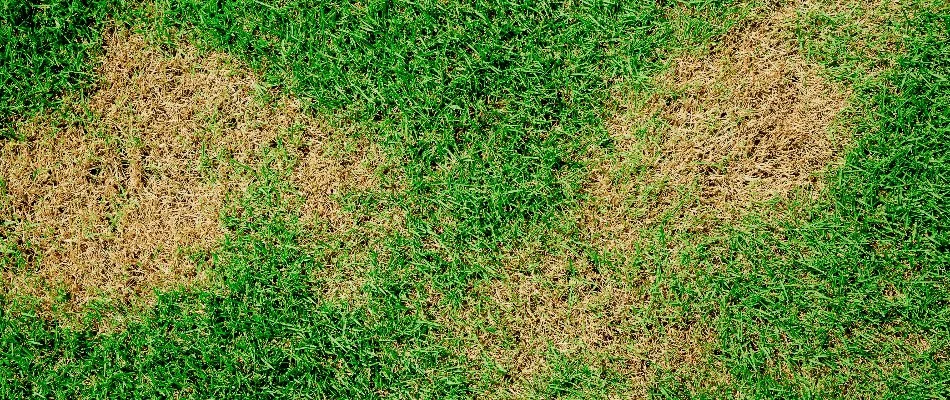
Take-all patch is a pervasive fungal disease caused by the fungus Gaeumannomyces graminis. This pathogen targets primarily St. Augustine grass and bermudagrass, both prevalent in Texas due to their suitability for the region's climate. The disease roots itself in the grass, attacking the root system, and can result in significant turf damage if not managed promptly. Initially, the disease manifests as small, discolored patches on the lawn, which can often be overlooked. However, these patches gradually expand, potentially consuming large swathes of your turf. The infection disrupts the grass's ability to absorb water and nutrients, which are crucial for healthy growth.
As the disease progresses, the once vibrant green grass begins to turn yellow or brown, becoming thin and weak. This weakening not only affects the aesthetic appeal of your lawn but also compromises its structural integrity, making it more prone to additional environmental stresses. Over time, the affected areas can die off, leaving unsightly patches and bare spots. If left untreated, take-all patch can cause extensive damage, making it significantly challenging to rehabilitate your lawn to its original state.
What conditions are conducive to the development of take-all patch?
Take-all patch thrives in specific environmental and soil conditions, making prevention a key strategy for mitigation. Warm, humid conditions are particularly favorable for the disease, making Texas a prime target during certain times of the year. The fungus prefers soils with high pH levels, typically above 6.5, and can be exacerbated by poor soil drainage. Lawns that remain waterlogged or have compacted soil can provide the ideal breeding ground for the fungus. Excessive thatch build-up is another factor, as it offers a protective environment for fungal spores.
This disease is most problematic during periods of rapid grass growth, specifically in the spring and fall. The combination of favorable environmental conditions and the natural growth cycle of the grass creates a perfect storm for take-all patch to take hold and spread. Monitoring your lawn closely during these times is essential to catch early signs of infection.
What should you do if you suspect take-all patch on your lawn?
If you suspect that your lawn is infected with take-all patch, taking swift action is crucial to minimize damage. Start by contacting lawn care professionals who specialize in diagnosing and treating turf diseases. Scheduling curative treatments promptly can help manage the spread of the disease, as experts can provide targeted fungicide applications effective against take-all patch.
Once the disease is treated, the next focus should be on helping your lawn recover. Investing in comprehensive lawn care services can aid in revitalizing your turf. Consider implementing the following:
- Lawn Fertilization: Proper fertilization helps replenish essential nutrients that the grass may have lost during the disease outbreak. A balanced fertilizer application can promote healthy growth and strengthen the grass's resistance to future infections.
- Liquid Aeration: This method improves soil compaction and enhances the flow of air, water, and nutrients to the roots. By using liquid formulations, you can enhance soil structure and support the recovery of damaged roots.
Call us today to schedule our take-all patch control service.
Take-all patch is a serious lawn disease that can cause significant damage to your turf if left untreated. At Dr. Tex Lawn & Pest, we offer curative treatments via our take-all patch control service to eliminate this disease from your lawn, as well as lawn care services, like lawn fertilization and liquid aeration, to help it recover. When treating lawn diseases like take-all patch, our team alternates fungicide treatments to prevent the fungus from becoming resistant to the product!
We offer this service to residential and commercial property owners, as well as HOAs, in Austin, Round Rock, Cedar Park, Pflugerville, and throughout the surrounding areas in Texas. Give us a call today at (512) 717-5071 to schedule!

Comments (0)
Thanks for your comment!
Thanks for your feedback! Your comments have been successfully submitted! Please note, all comments require admin approval prior to display.
Error submitting comment!
There is a problem with your comment, please see below and try again.