
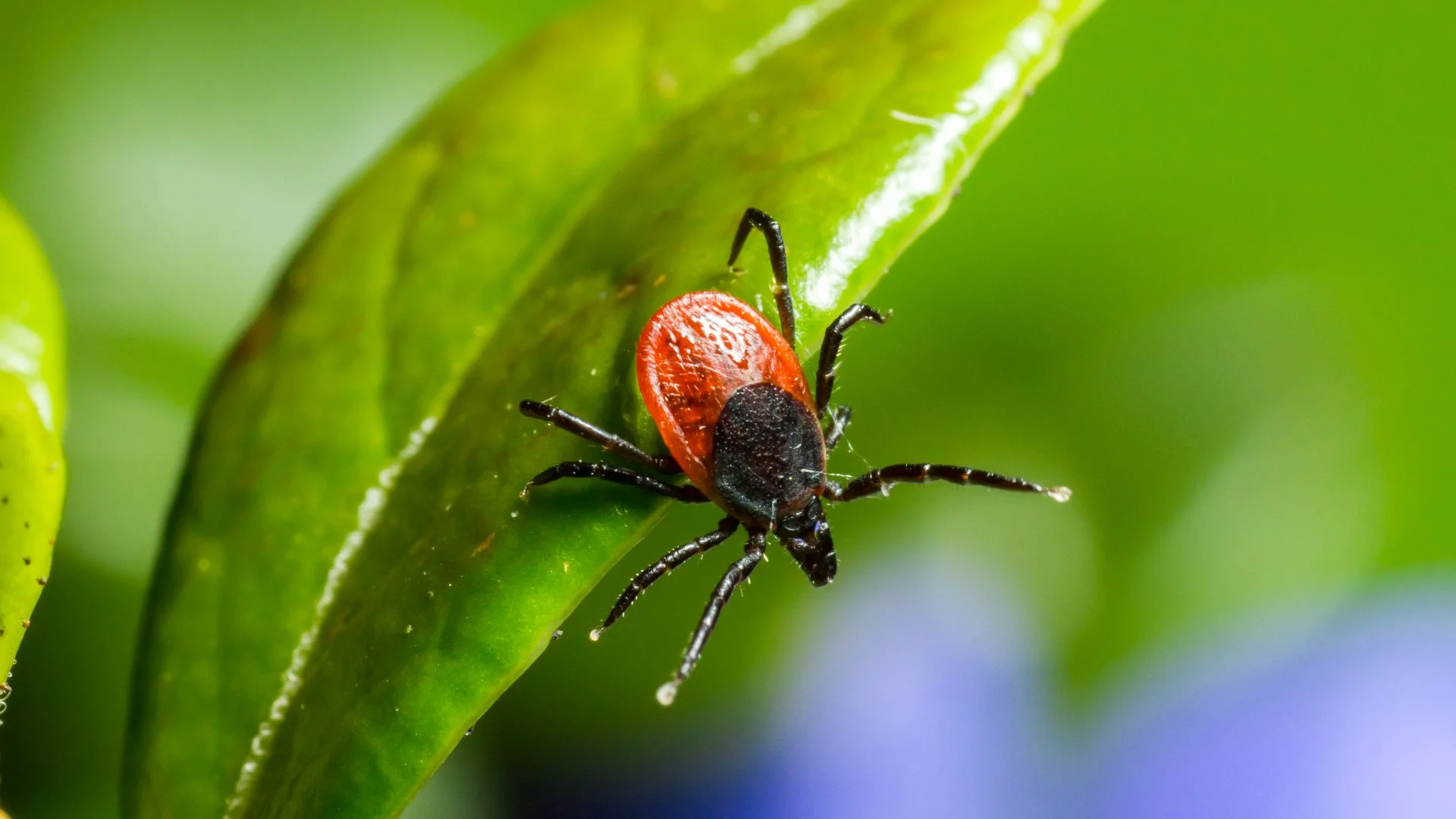
In Austin, TX, deer ticks, lone star ticks, and American dog ticks are common. Deer ticks are most active in spring and summer, thrive in wooded and grassy areas, and can spread Lyme disease, anaplasmosis, and babesiosis. Lone star ticks are aggressive because they actively seek out hosts. These types of ticks are highly adaptable to their environment, making them more prevalent and hard to control. American dog ticks are larger, found in grassy areas, and can transmit Rocky Mountain spotted fever and tularemia.
Deer ticks are most active in Austin, TX, during the spring and summer months.
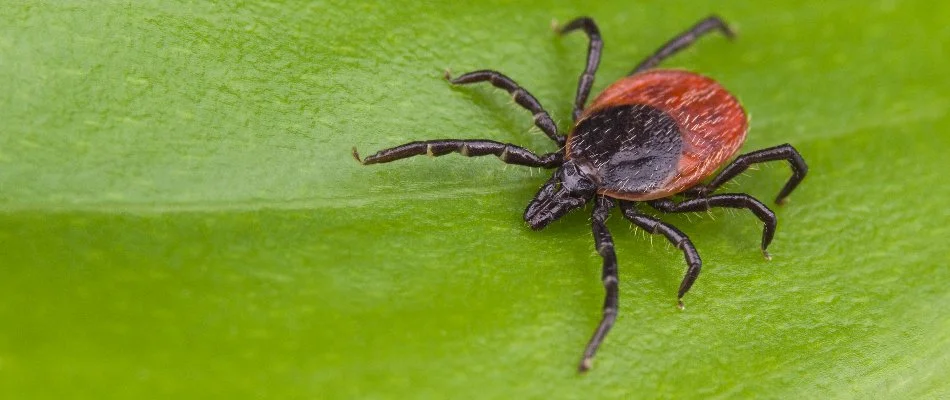
Deer ticks, also known as black-legged ticks, are small arachnids that are commonly found in wooded areas, tall grasses, and shrubs in Austin, TX. These ticks are known for their ability to spread Lyme disease, a serious illness that can cause a wide range of symptoms, including fever, headache, fatigue, and a characteristic skin rash.
Deer ticks are most active during the spring and summer months, but they can be found throughout the year in Austin. These critters are small, with adults measuring about 3-5 millimeters in length. They also have a reddish-brown body and black legs. These ticks prefer areas with high humidity and warm temperatures.
Lone star ticks are aggressive and adaptable.
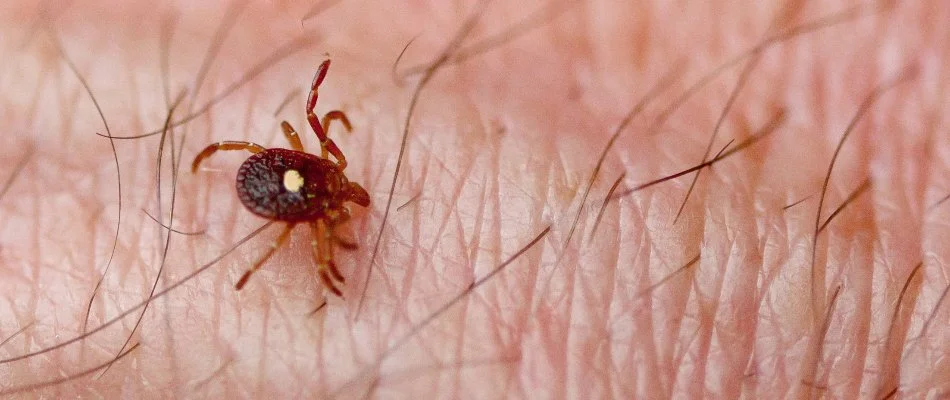
Sporting a distinctive white dot on the backs of females, lone star ticks are named for their eye-catching mark and are another common type of tick in Austin, TX. They are known for their aggressive nature because they actively seek out hosts rather than waiting passively. They can transmit illnesses like ehrlichiosis and have been linked to health issues that cause a strange allergic reaction to red meat.
Lone star ticks are versatile and adaptable, thriving in various environments, from wooded areas to open fields. Their eagerness to bite makes them more likely to come into contact with humans. To avoid their bites, be cautious when venturing into their habitats, wear protective clothing, and apply tick repellents.
American Dog Ticks Are Larger Than Deer & Lone Star Ticks
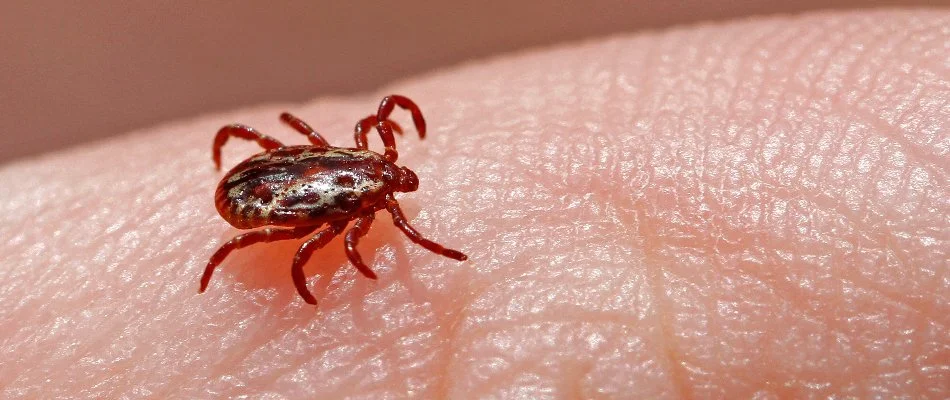
Larger than their deer and lone star relatives, American dog ticks can be identified by the ornate white markings on their brown bodies. They’re commonly found in grassy spaces in Austin, TX, and are known carriers of Rocky Mountain spotted fever, a serious illness that can cause high fever, headache, and rash. Unlike deer ticks, they don’t spread Lyme disease, but they can transmit tularemia, another bacterial infection. American dog ticks typically prefer areas with less tree cover, like grassy fields and trails, making them frequent companions during outdoor activities.
Pets, especially dogs, are common targets for these ticks, making it important to keep their tick prevention up to date. Regular grooming and checking your pets after walks or playtime in grassy areas can prevent these ticks from causing harm. For humans, sticking to the trails, using repellents, and checking for ticks after being outdoors are simple yet effective strategies.
Call us today to schedule our tick control service!
If you're looking for a way to keep ticks off of your property, look no further than our tick control service at Dr. Tex Lawn & Pest! This is an on-demand service, which means you can schedule it whenever you need to add an extra layer of protection on your property. When you do, our team will visit your property to apply a treatment to your lawn and landscape beds, where ticks are most likely to hide. What's more, we use granular treatments that are long-lasting!
We offer this service to commercial and residential property owners, including HOAs, in Austin, TX. This service is also available in Round Rock, Cedar Park, Pflugerville, and nearby areas. Give us a call at (512) 717-5071 to schedule this service!

Comments (0)
Thanks for your comment!
Thanks for your feedback! Your comments have been successfully submitted! Please note, all comments require admin approval prior to display.
Error submitting comment!
There is a problem with your comment, please see below and try again.